How to Pick a Combo Meal Without Blowing Your Calorie Budget
A combo meal isn’t one number. It’s three or four separate decisions stacked together — protein, side, drink, sauce — and each one moves the total. If you’re trying to stay under a calorie target for the day, the fastest way to do it is to know which part of the combo does the most damage before you order, not after.
That matters whether you’re standing in line at a chicken finger spot or scanning a menu board somewhere else entirely. The math is the same everywhere.
Why Combo Meals Are Harder to Budget Than Single Items
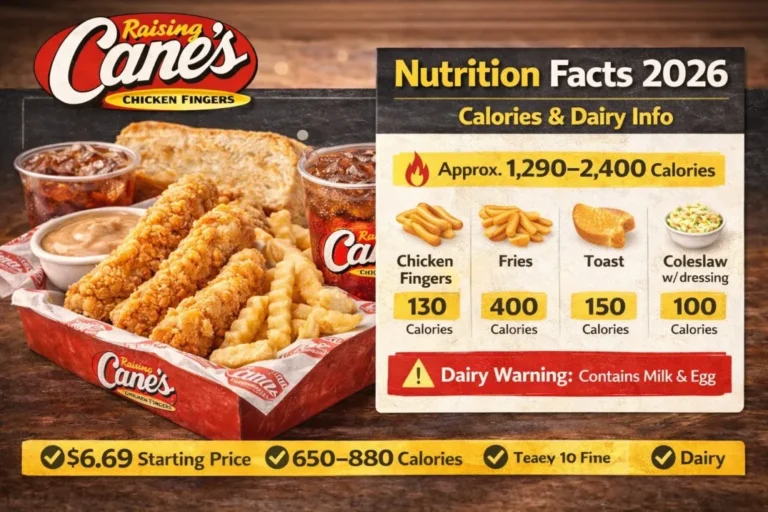
A single menu item has one calorie count. A combo has a range, because you’re choosing between options at two or three points in the order. A 3 Finger Combo built around crinkle-cut fries and Cane’s Sauce lands in a different place than the same combo with coleslaw instead of fries and no sauce at all. Neither choice is wrong, but if you’re only checking the calorie count for the “combo” as a category, you’re guessing.
The side is usually the biggest swing variable. Fries versus coleslaw versus Texas toast can shift a combo by 150–250 calories on its own, before you even look at the drink. Sauces add up faster than people expect too — a couple of packets of a mayo-based dipping sauce can add 200 calories to a meal that otherwise looked reasonable. If you’re tracking anything seriously, price out the side and the sauce separately from the protein, because that’s where the total actually gets decided.
When You Want Something Other Than Chicken Fingers That Day
Some days you’re not craving fried chicken tenders — you want something with vegetables in it, or noodles, or you’re trying to hit a protein number that a finger combo won’t get you to without adding a second one. Panda Express is a common swap for exactly this reason: bowls and plates let you mix a protein with a vegetable side instead of a starch, which changes the calorie math in your favor if that’s what you’re optimizing for.
The catch is that Panda Express’s menu has even more moving parts than a Cane’s combo — you’re choosing an entrée, a second entrée or side, and sometimes a third, and portion sizes vary by plate size. Rather than guess, it’s worth running the combination through the site’s interactive tool for panda express calories before you order, since it totals up calories, protein, carbs, and sodium across whatever entrée and side combination you’re actually planning to get, instead of making you average two separate menu listings in your head.
Same principle either way: look up the specific combination you’re going to order, not just the category it falls under.
Building a Combo That Fits Your Number
A few habits make this easier no matter which menu you’re standing in front of.
Pick the side first, not last. Most people choose their protein, then default to whatever side comes standard. Flip that order. If your budget is tight, choose the lower-calorie side deliberately — coleslaw or a small side salad instead of fries — and let that decision anchor the rest of the order.
Treat sauce as a line item. Ask yourself if you actually need it before adding two or three packets out of habit. One packet of most dipping sauces is a small addition. Three or four is a meal’s worth of extra calories on its own.
Check the drink separately from the food total. A large sweet tea or fountain soda can carry 250–300 calories that never show up when you’re only thinking about “the combo.” Unsweet tea, water, or a diet option removes that variable entirely.
Compare combo totals, not individual items. A 4 Finger Combo and a 3 Finger Combo with a large side can land closer together in calories than the names suggest, because the side and portion size matter as much as the protein count. Look at the whole tray, not just the headline item.
Common Mistakes People Make With Combo Calories
The biggest one is assuming “combo” means one fixed number, when it’s really a range depending on side, sauce, and drink choices. The second is forgetting that upsizing a side or drink changes the total more than people expect — a regular-to-large upgrade on fries alone can add close to 200 calories. The third is skipping sauce entirely from the mental math, even though it’s often the easiest place to cut calories without changing what you’re actually eating.
FAQs
How many calories are in a typical chicken finger combo?
It depends on the combo size and side, but a 3 Finger Combo with fries and a regular drink generally lands in the 700–900 calorie range before sauce. Swapping the side or drink moves that number meaningfully in either direction.
Does the sauce really make a noticeable difference?
Yes. A single packet of a creamy dipping sauce can run 100–150 calories, and it’s common to use two or three per meal without thinking about it. That alone can be 10–15% of a combo’s total.
Is a salad side always the lower-calorie choice?
Usually, but not automatically — a salad loaded with dressing and toppings can rival a side of fries. Check the dressing amount before assuming the salad wins.
What’s the easiest way to cut calories from a combo without changing the meal much?
Downsize the drink and go light on sauce. Those two changes alone often save more than swapping the entrée itself.
Can I compare a chicken finger combo to a bowl-style meal like Panda Express?
Roughly, yes, if you’re looking at total calories, protein, and sodium for the specific items on each tray. The categories are different — fried protein and a starch side versus an entrée-and-vegetable bowl — but the comparison is still just addition once you know each component’s numbers.
Final Thoughts
Combo meals reward a little bit of planning. Once you know which parts of the tray move the total the most — side, sauce, drink — you can build a combo that fits your day without stripping the meal down to something you don’t actually want to eat.